For owners and developers managing retail buildouts, restaurant rollouts, or multi-state expansion programs, a construction schedule isn't just a project management tool — it's a revenue timeline. Every week of delay pushes back a store opening, a lease commencement date, or a franchise launch. At CORCON, we've built our process around one core principle: the biggest schedule risks are predictable, and predictable risks are manageable.
Here are the five most common causes of construction delays we see across commercial retail and multi-site programs — and the specific steps we take to keep them from derailing your timeline.
1. Permitting and Municipal Approval Delays
Why it happens: Permitting is often the single biggest variable in any construction schedule, especially for developers building across multiple jurisdictions. Every municipality has its own review cycle, inspection cadence, and unwritten local expectations. What takes three weeks in one county can take three months in the next.
How CORCON avoids it:
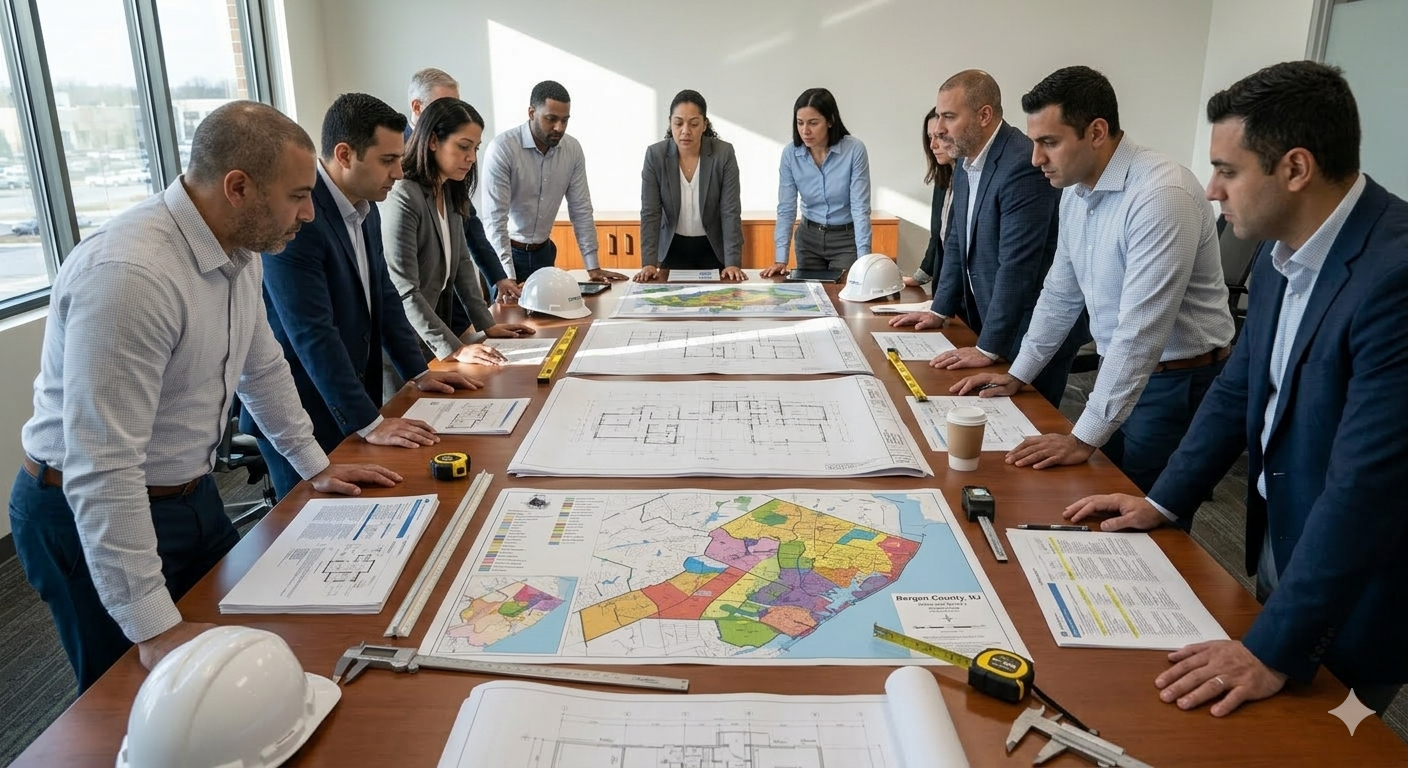
- We start jurisdictional research in parallel with design development, not after it — identifying zoning triggers, historic district reviews, and fire marshal requirements before they become surprises.
- For multi-state rollout programs, we maintain a jurisdiction profile for every market we've built in, tracking typical plan review timelines, common resubmittal issues, and key contacts at local building departments.
- We submit complete, coordinated permit sets the first time. Incomplete submissions are the single most common cause of avoidable resubmittal cycles.
2. Long-Lead Material and Equipment Delays
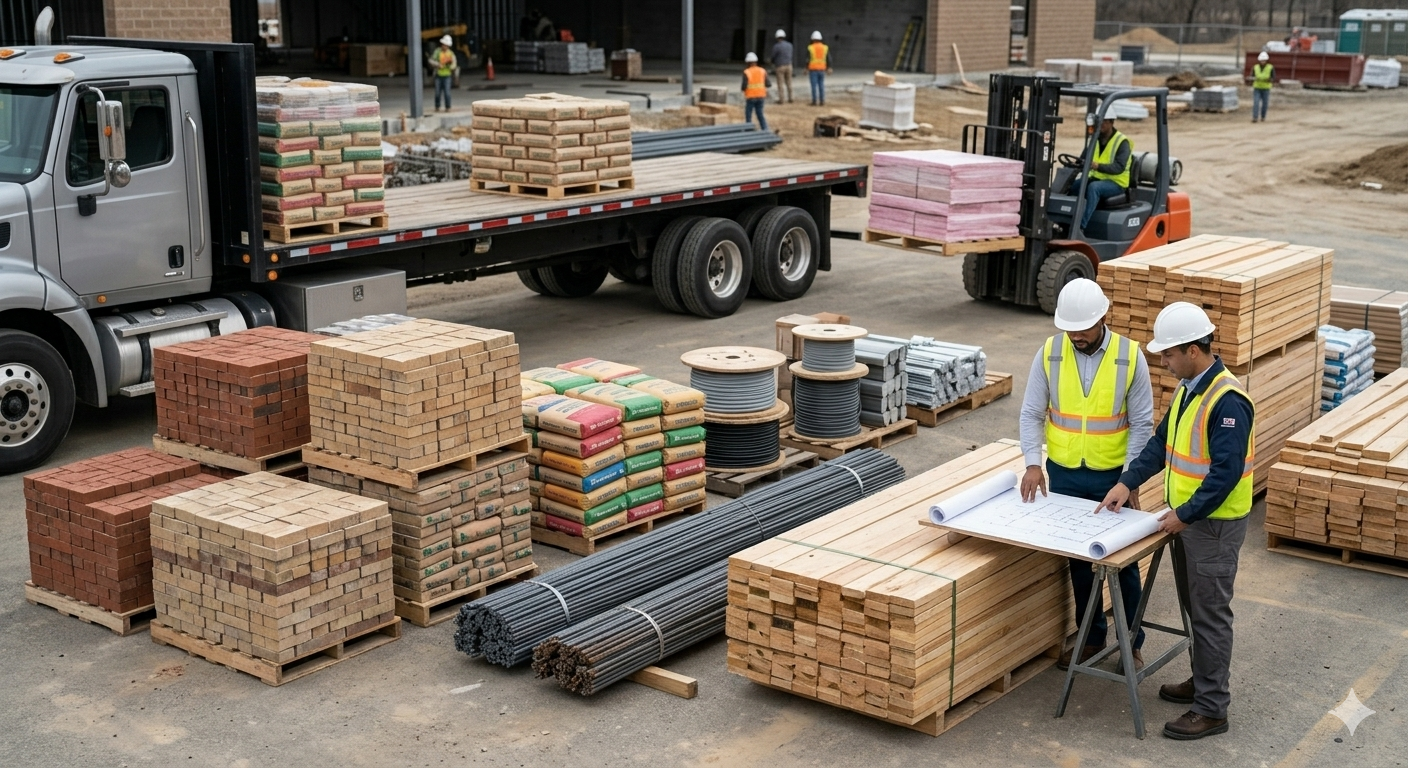
Why it happens: Storefront glazing, custom millwork, HVAC equipment, and specialty finishes often carry lead times measured in months, not weeks. When procurement starts at the same time as construction — rather than ahead of it — the schedule is already behind before the first wall goes up.
How CORCON avoids it:
- Long-lead items are identified and released for procurement during preconstruction, before the schedule even locks.
- For brands with a standardized prototype, we work off a master procurement schedule that's been refined across dozens of locations, so lead times are known quantities, not guesswork.
- We track supplier capacity and material availability continuously, flagging risk early enough to substitute or reorder before it hits the critical path.
3. Scope Changes and Late Design Decisions
Why it happens: A change order midway through construction doesn't just cost money — it costs time, because it can ripple backward into procurement, trade sequencing, and inspection scheduling. On multi-site programs, even a small prototype tweak can cascade across every location still in the pipeline.
How CORCON avoids it:
- We push design freeze milestones earlier in preconstruction and hold owners and design teams accountable to them, so decisions get made when they're still cheap and fast to make.
- For rollout programs, we build a controlled change process for prototype updates — evaluating whether a change should apply to in-progress sites, future sites only, or both, so one decision doesn't quietly delay an entire portfolio.
- Clear, documented decision logs mean nobody's waiting on an answer that got lost in an email thread.
4. Poor Trade Coordination and Sequencing
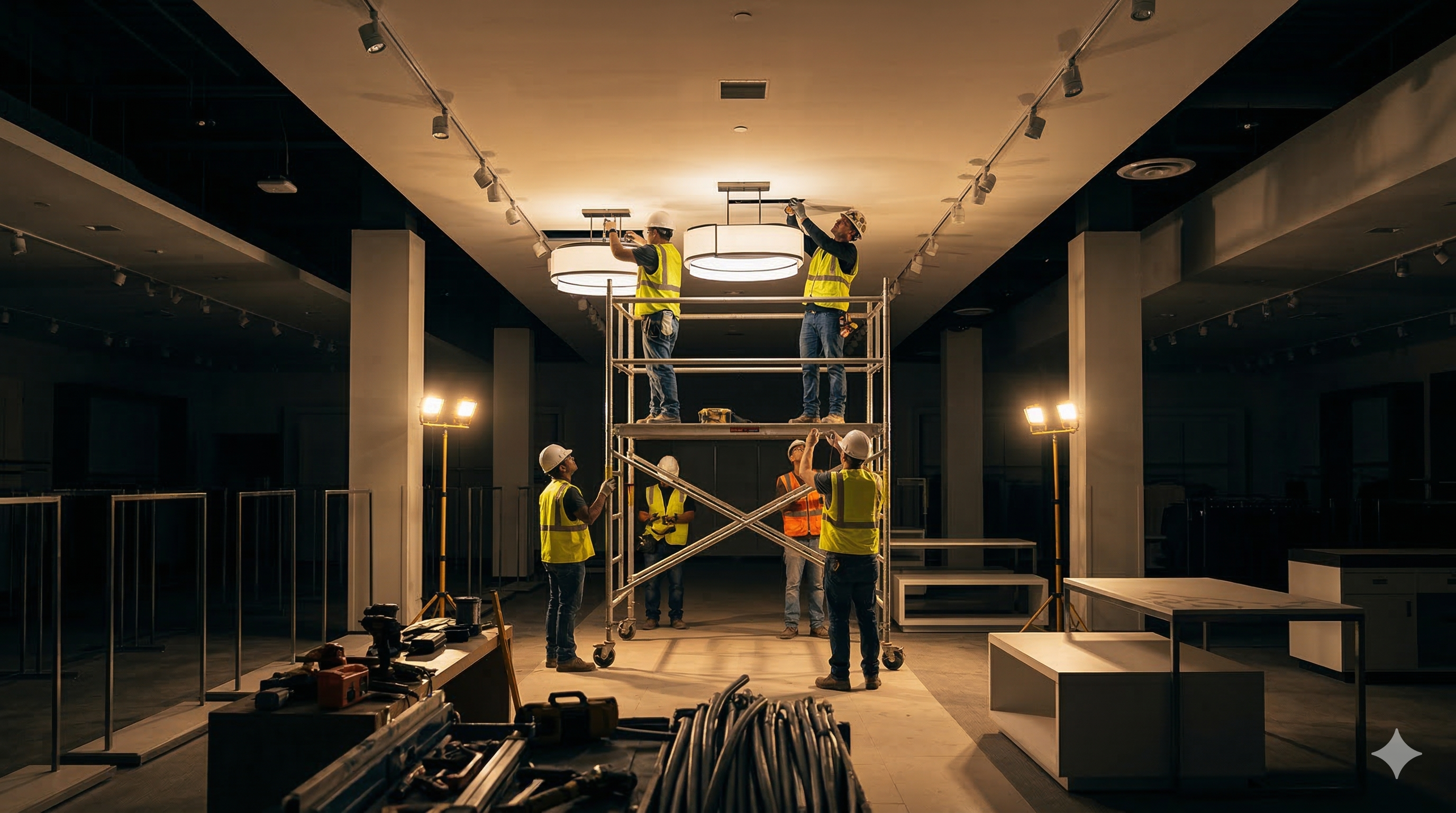
Why it happens: On a compressed retail schedule, trades are often stacked tightly to meet an opening date. Without disciplined sequencing, that compression turns into conflict — electricians waiting on framing, inspections failing because trades got out of order, and rework that eats the very days it was meant to save.
How CORCON avoids it:
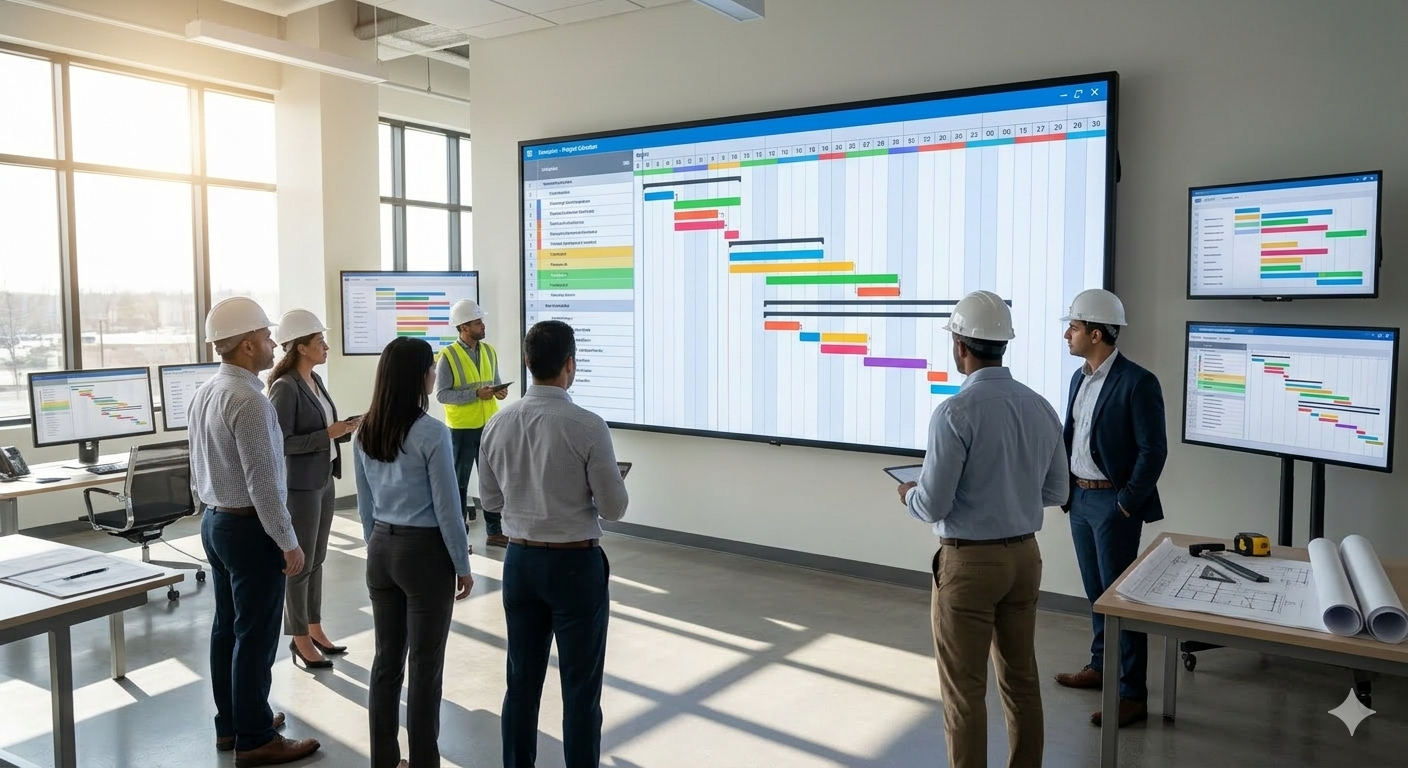
- Detailed short-interval schedules (typically two-to-three weeks out) keep every trade aligned on what's actually happening on site, not just what's on the master schedule.
- Weekly trade coordination meetings surface conflicts before they become field problems.
- For multi-state programs, we standardize sequencing logic across markets, so local subcontractor teams inherit a proven playbook instead of reinventing sequencing on every site.
5. Inconsistent Communication Between Owner, GC, and Local Teams
Why it happens: On a single project, misalignment is a headache. On a multi-site rollout across different states, time zones, and local subcontractor markets, it's a schedule killer. Owners need visibility into every site without having to chase updates market by market.
How CORCON avoids it:
- Every project runs on a single source of truth for schedule, budget, and open issues — visible to the owner in real time, not summarized after the fact.
- Dedicated project leadership stays consistent across a rollout program, so institutional knowledge about your brand's standards travels with every location.
- Regular, structured reporting cadences mean owners get ahead of problems instead of hearing about them after they've already cost time.
The Bottom Line
Construction delays rarely come from one dramatic failure — they come from small, predictable risks that go unmanaged. For owners and developers running multi-site retail programs, the difference between a builder who reacts to problems and one who prevents them can mean the difference between opening on schedule and missing a critical revenue date.
CORCON has built its process around exactly that kind of foresight, refined across national retail rollouts, restaurant prototypes, and commercial developments from single sites to multi-state programs.
Ready to talk about your next rollout or buildout? Contact CORCON to see how our preconstruction process protects your schedule from day one.
Frequently Asked Questions
What is the most common cause of construction delays in retail construction? Permitting and municipal approval delays are typically the largest source of schedule risk, especially for developers building in multiple jurisdictions where review timelines and requirements vary widely from one municipality to the next.
How can developers avoid delays across a multi-state retail rollout? The most effective approach is standardizing procurement, sequencing, and jurisdictional research across all sites in the program, so every new location benefits from lessons learned on prior sites rather than starting from scratch.
How far in advance should long-lead materials be ordered for a retail buildout? Long-lead items such as storefront glazing, custom millwork, and HVAC equipment should be identified and released for procurement during preconstruction — often months before construction begins — to avoid them becoming the critical path.
Why do change orders cause construction delays? Change orders can affect more than the item being changed; they often ripple into procurement schedules, trade sequencing, and inspection timing, which is why locking design decisions early is critical to protecting the schedule.

.jpg)

.jpeg)